In the high-stakes world of mega-projects—defined by budgets exceeding $100M and timelines spanning years—fragmentation is the silent killer. The traditional "Design-Bid-Build" model, where engineering and construction exist in silos, often creates a breeding ground for adversarial relationships, change orders, and schedule slippage.
For Chief Operating Officers (COOs) and Project Directors, the challenge is not just managing the work; it is managing the gaps between the work.
At AECS Research Global (ARG), we advocate for a fundamental shift from fragmented delivery to Integrated EPC (Engineering, Procurement, and Construction) Advisory. By acting as a "Construction Arm" for our clients, we close the loop between design intent and site reality, effectively de-risking the project before the first cubic meter of concrete is poured.
Here is a technical breakdown of how the Integrated EPC model functions as a risk-management tool, and the lessons you can apply to your own project portfolio.
1. The Technical Mechanism: Fast-Tracking via Concurrent Engineering
The most significant risk to Capital Expenditure (CAPEX) in the current economic climate is time. Inflationary pressure on materials means that a six-month delay is not just a schedule issue; it is a direct hit to the bottom line.
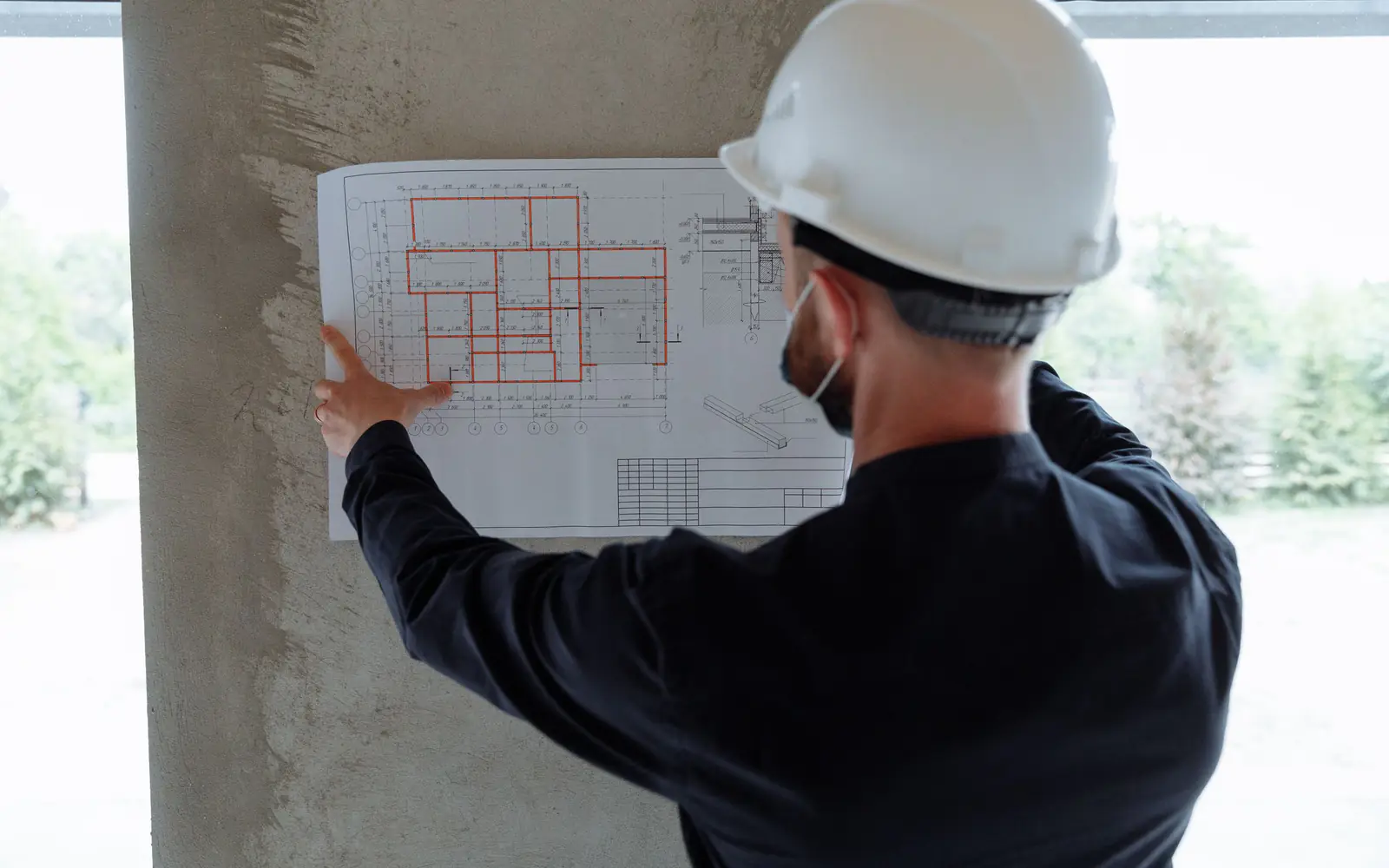
The Insight: In a traditional model, construction waits for design completion. In an Integrated EPC model, we compress the critical path. ARG’s holistic approach allows construction to commence concurrently with the design process.
How it works: We identify "early works packages" (e.g., excavation, substructure) that can be executed while the detailed design for the superstructure is still being finalized.
The Benefit: This facilitates "fast-track execution," offering clients greater control over cost, time, and quality. By overlapping these phases, we can shave months off the delivery schedule, accelerating the asset's time-to-market.
2. Case Study: Mission-Critical Delivery for Saudi Aerospace Engineering Industries
Theory is useful, but execution is proof. To understand the rigor required for Integrated EPC, let us examine our work with Saudi Aerospace Engineering Industries in Jeddah.
The project involved the construction of the head office for a key aerospace entity—a sector where "precision" is not a buzzword, but a baseline requirement.
The Challenge: Delivering a state-of-the-art facility that met specialized industrial requirements while adhering to the highest standards of quality and safety.
The Execution: ARG provided comprehensive Project Management, overseeing all aspects of the construction process. We did not just "supervise"; we managed the resource allocation, budget adherence, and safety protocols directly.
The Result: By maintaining a single point of accountability, we ensured that the stringent regulatory expectations of the aerospace sector were met without the scope gaps that typically plague multi-vendor projects.
3. Deep Dive: Procurement as a Strategic Lever
For technical directors, Procurement Management is often undervalued as a purely administrative task. In an EPC Advisory role, it is a strategic engine.
The Insight: A design is only as good as the supply chain that delivers it. If your architect specifies a façade system that has a 12-month lead time, your schedule is broken before you start.
Strategic Sourcing: ARG leverages deep industry relationships to ensure materials and subcontracts are sourced efficiently and cost-effectively.
Value Optimization: Because we integrate procurement with engineering, we can vet long-lead items during the design phase. If a specified material poses a schedule risk, we engineer an alternative solution immediately, rather than discovering the delay on-site.
4. The "Single Point of Accountability" Advantage
The ultimate value of the EPC Advisory model is the elimination of the "Blame Game."
When a conflict arises between the drawings and the site conditions, the traditional response is a finger-pointing exercise between the consultant and the contractor. In our model, ARG provides a single point of accountability.
For the Client: You have one entity responsible for the outcome.
For the Project: Decisions are made in hours, not weeks. Whether it is the 100 Bedded Prince Mansour Military Hospital or a commercial Shopping Mall, this unified command structure is the primary driver of project success.
Summary for the Executive
To de-risk a mega-project, you must integrate the thinking (Engineering) with the doing (Construction).
Adopt Concurrent Engineering: Do not wait for 100% design to break ground; structure your packages to allow fast-tracking.
Integrate Procurement: Treat your supply chain as an extension of your design team.
Centralize Liability: Move from fragmented vendors to a single turnkey partner who owns the risk and the result.
At AECS Research Global, we do not just consult; we build. Our EPC Advisory offers a comprehensive turnkey solution, managing every phase from concept to commissioning.
Assess Your Project Delivery Model
Are you facing delays due to coordination gaps between your design consultants and construction contractors?