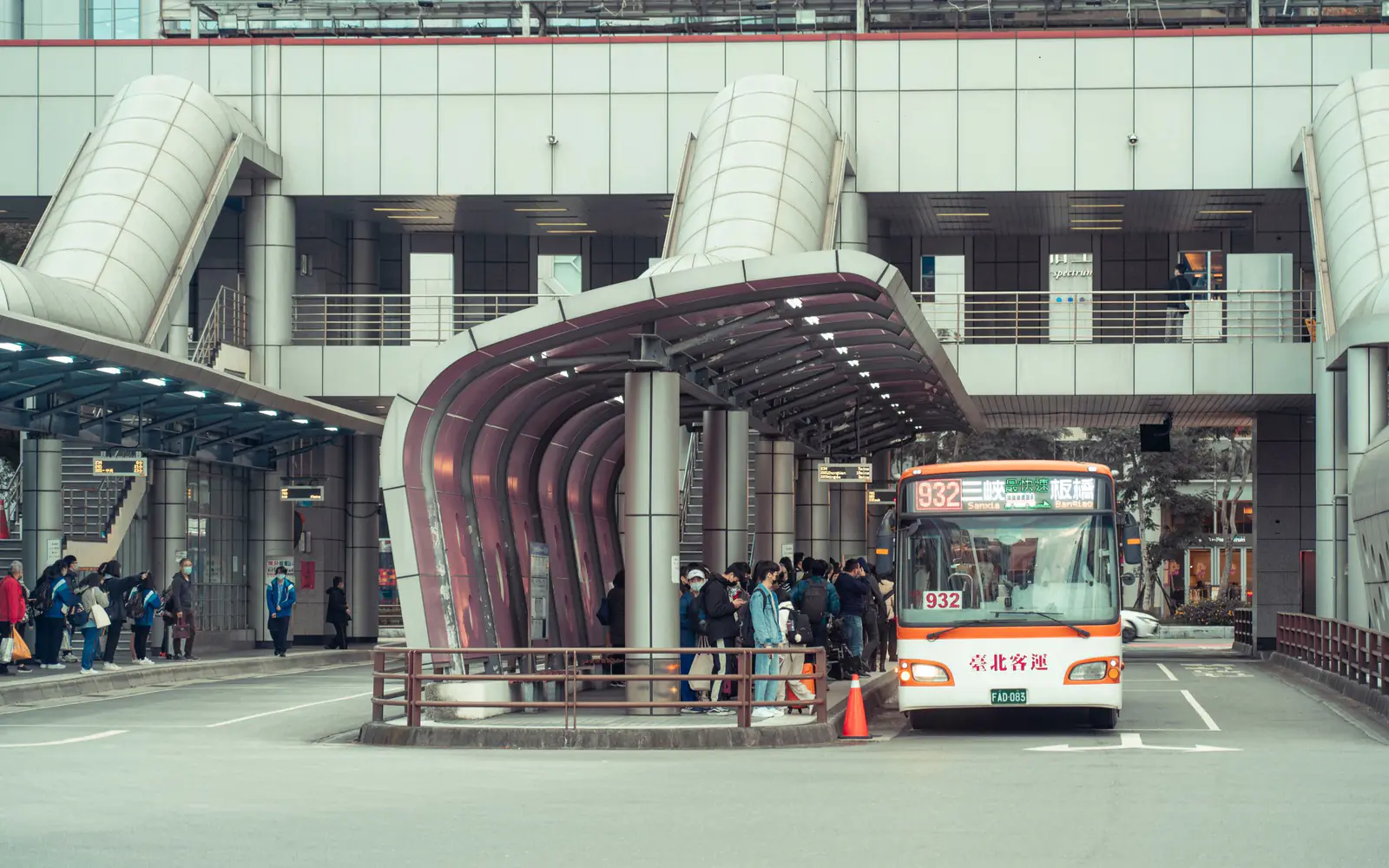
In the urban fabric of the National Capital Region (NCR), a bus terminal is more than a parking lot for fleets; it is a high-velocity economic node. However, transforming an aging, congested facility into a modern multimodal hub is not merely a design challenge—it is a financial one.
The success of such redevelopment hinges on a single question: Is it bankable?
AECS Research Global (ARG) has been entrusted with the critical mandate to answer this question for the Main Bus Terminal in Ballabhgarh, Faridabad. Our role is to conduct a comprehensive Feasibility Analysis, acting as the bridge between the Urban Local Body's (ULB) vision and the commercial reality of the market.
Phase 1: The Forensic Site Audit
Feasibility begins with ground truth. Our mandate requires us to move beyond the concept note and "study the work undertaken so far" to understand the site's true potential.
Stakeholder Intelligence: We are tasked with decoding the ULB’s concept aims through direct stakeholder interactions and site visits. This ensures that the redevelopment aligns with the operational needs of the transport authority while addressing the daily friction points of commuters.
Locational Assessment: A terminal does not exist in a vacuum. We are conducting a deep-dive assessment of the "surrounding commercial area." This analysis determines how the new terminal will integrate with existing markets, traffic flows, and the broader commercial ecosystem of Ballabhgarh.
Phase 2: Market Demand & Concept Configuration
The most frequent cause of failure in infrastructure projects is a mismatch between "Design Capacity" and "Market Demand."
ARG’s approach is data-driven. We are conducting a rigorous Market Demand Assessment to determine the volume of transit traffic and the appetite for ancillary commercial real estate (retail, office, hospitality) within the terminal complex.
Based on this data, we will develop a suitable configuration and concept. This is not just about architectural aesthetics; it is about "Highest and Best Use" (HBU) planning—ensuring the mix of transit and commercial space is optimized for revenue generation.
Phase 3: The Financial Engine (PPP & Value for Money)
For decision-makers, this is the most critical vertical of our scope. A modern terminal requires significant CAPEX. To make it viable, we delve into the economics.
Financial Modelling & Risk Assessment: We are building robust financial models to stress-test the project against inflation, ridership fluctuations, and construction delays.
PPP Structuring: Public-Private Partnerships (PPP) are complex. Our mandate includes conducting a "Value for Money" (VfM) analysis to determine the optimal structuring of the deal. We identify the "sweet spot" where the project is attractive to private concessionaires while protecting the public interest.
Economic Impact: Beyond the project's own balance sheet, we are conducting an Economic Review to assess the wider impact on the community—quantifying how this redevelopment will spur local GDP and job creation.
The Roadmap to Implementation
Finally, a feasibility study is useless if it sits on a shelf. Our deliverable includes a Preliminary Implementation Plan. This provides the ULB with a clear, step-by-step roadmap from regulatory approvals to financial closure and construction commencement.
At AECS Research Global, we believe that great infrastructure is built twice: first in the spreadsheet, and then on the ground. By rigorously validating the feasibility of the Ballabhgarh Terminal today, we ensure it remains a thriving asset for decades to come.