In the controlled environment of a metropolitan construction site, engineering challenges are typically vertical—how high, how heavy, how fast. However, when the project site shifts to the remote hill states of Northeast India, the primary engineering challenge becomes horizontal: logistics.
For AECS Research Global (ARG), the mandate to deliver 23 Eklavya Model Residential Schools across Meghalaya and Mizoram was not just a construction contract; it was a masterclass in supply chain resilience and remote project control.
This case study examines how "Logistics" transcends procurement to become a core engineering discipline when delivering infrastructure for tribal and underserved communities.
The Mandate: Infrastructure for Social Equity
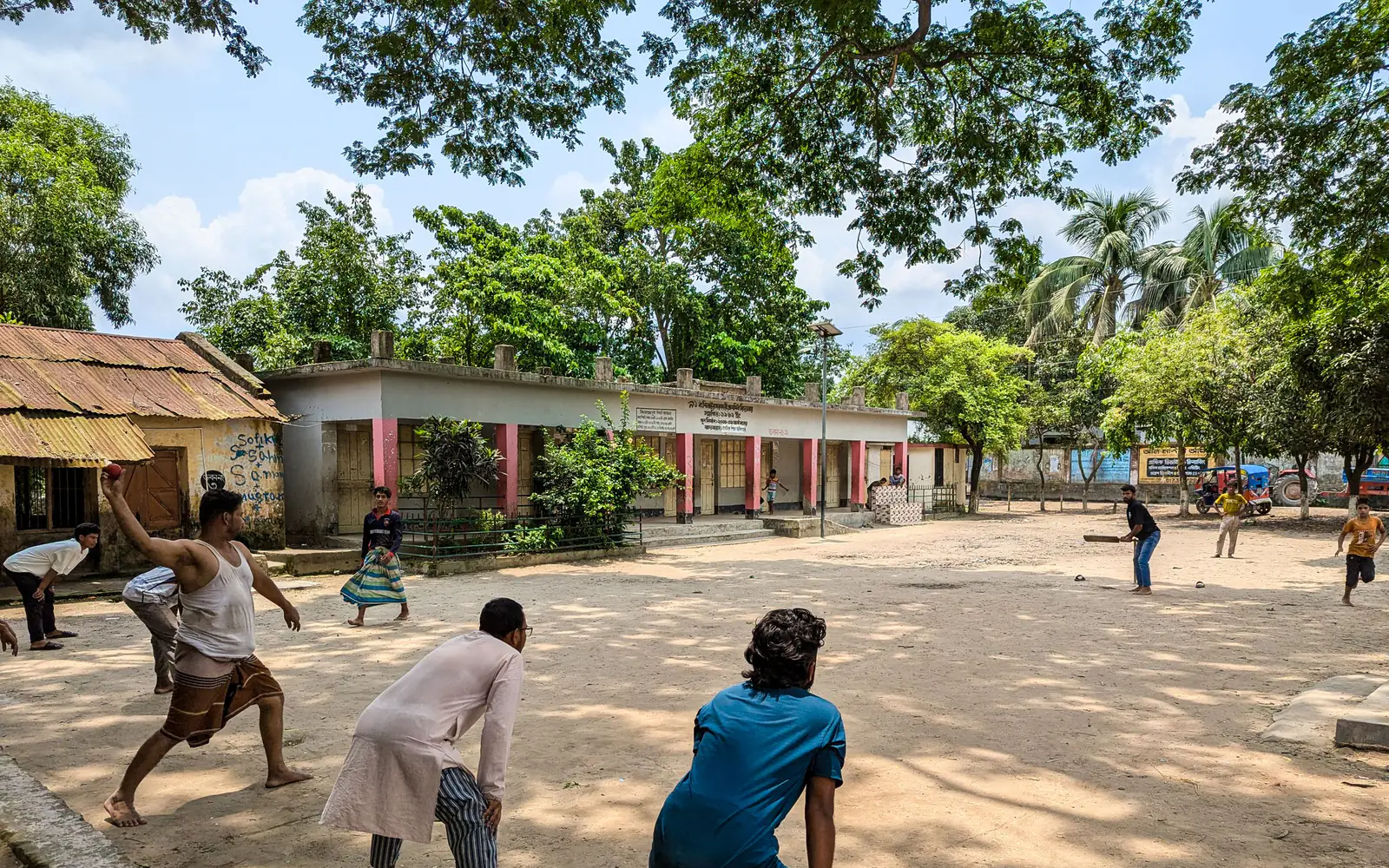
The Eklavya Model Residential Schools (EMRS) initiative is a flagship government program designed to bring quality education to remote tribal regions. The client required not just buildings, but high-quality educational campuses delivered in "remote and sensitive geographies".
The constraints were severe: difficult terrain, limited access roads, and a fragmented local supply chain. Yet, the requirement for "unparalleled excellence" and solutions that are "equitable for People" remained absolute.
The Technical Solution: Project Controls in Remote Geographies
How do you maintain cost efficiency when the cost of transportation rivals the cost of materials? The answer lies in ARG’s specialized approach to Government Advisory and Project Controls.
1. Supply Chain as Critical Path
In typical projects, the critical path runs through the structural steel or concrete pour. In Meghalaya and Mizoram, the critical path ran through the mountain roads.
Strategic Planning: We implemented "efficient cost and project controls" specifically calibrated for remote regions. This involved meticulous "Resource Management" to ensure the allocation of materials and personnel was optimized to prevent site downtime.
The Result: By treating logistics as a technical variable rather than an administrative afterthought, we maintained progress despite the geographical hurdles.
2. Navigating Government Compliance
Delivering for the public sector requires a "nuanced understanding of governmental requirements" and "stringent compliance protocols".
Advisory Expertise: ARG’s deep engagement with government bodies allowed us to navigate the complex regulatory landscape of tribal land laws and central government norms.
Social Impact: The delivery of these schools aligns with our mission to create solutions that are "equitable for People". We successfully balanced the "financial prudence" required by the government with the "social value" required by the community.
The Executive Takeaway: Resilience is a Service
The successful execution of the EMRS projects demonstrates that ARG’s "Project Management" capabilities are geography-agnostic. Whether it is a high-rise in Dubai or a school in Mizoram, the core discipline remains the same: Rigorous planning, robust controls, and an unwavering commitment to delivery.
For government clients and large conglomerates with CSR mandates, ARG offers a partnership that turns logistical complexity into delivered infrastructure.
Expand Your Reach
Are you planning a development project in a remote or operationally challenging region?